
Using the correct mortar for your home is essential for long‑term protection. The right mix improves the appearance of your brickwork or stonework, reduces the risk of damp, and prevents damage caused by hard or incompatible mortars.
Lime: best choice for homes built before 1930
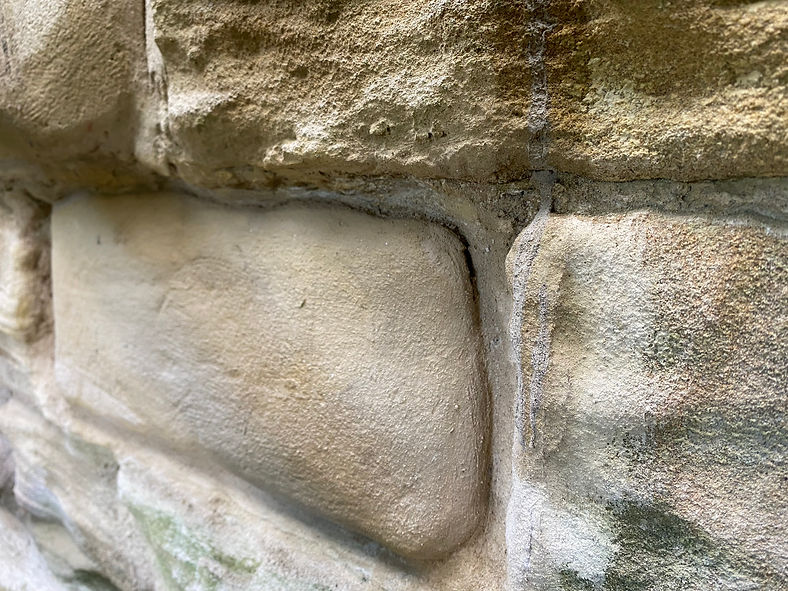
Why use lime on older properties?
Lime mortar is the best choice for pointing older brick and stone buildings because it is soft, flexible, and breathable. Its ability to allow moisture to move through and escape the wall prevents long‑term damage. Bricks made before 1930 are typically less dense and more porous, meaning they rely on lime mortar to manage moisture safely.
Using a hard, non‑breathable cement mortar on historic walls traps moisture, leading to damp problems, salt build‑up, frost damage, and spalling bricks or stone as water is forced out through the masonry instead of the mortar.
For more detailed guidance, click here.
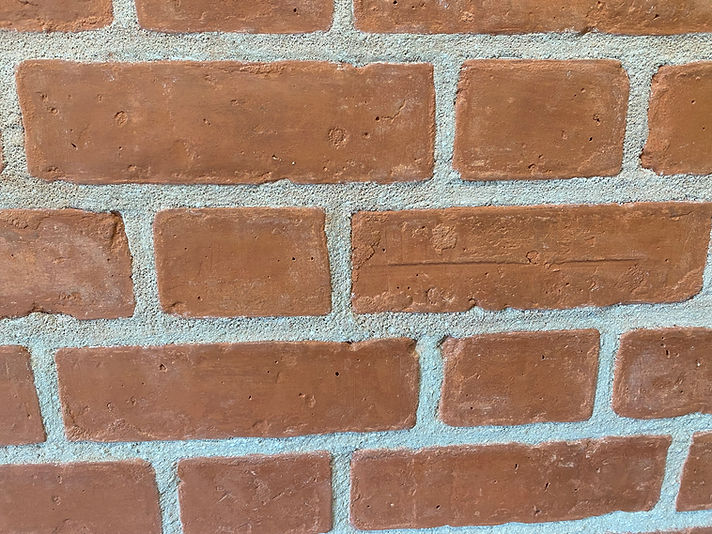
Why cement for post-1930 homes?
Mortar should always be slightly less dense than the bricks used in your home. This helps prevent damp from entering the wall and stops moisture escaping through the bricks, which can cause long‑term damage.
As most bricks made from the 1930s onwards are highly dense, cement mortar is usually the best choice for homes built after 1930. However, many modern eco‑homes now use lime mortar due to its breathability and significantly lower carbon footprint compared to cement‑based mortars. Gladstone Pointing Limited's carbon footprint is 5.5x lower through using lime mortar rather than cement mortar.